
Tobacco’s social and economic issues in Indonesia from 1992 to 2023 – a review to address product development


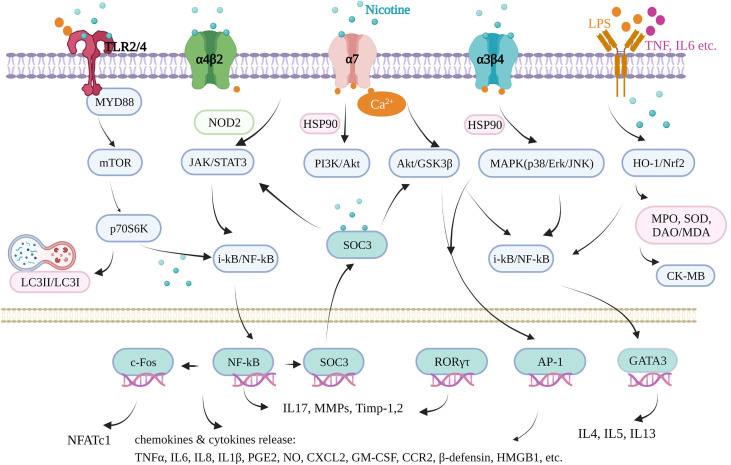
Abstract As an anti-inflammatory alkaloid, nicotine plays dual roles in treating diseases. Here we reviewed the anti-inflammatory and pro-inflammatory effects of nicotine on inflammatory diseases, including inflammatory bowel disease, arthritis, multiple sclerosis, sepsis, endotoxemia, myocarditis, oral/skin/muscle inflammation, etc., mainly concerning the administration methods, different models, therapeutic concentration and duration, and relevant organs and tissues. According to the data analysis from recent studies in the past 20 years, nicotine exerts much more anti-inflammatory effects than pro-inflammatory ones, especially in ulcerative colitis, arthritis, sepsis, and endotoxemia. On the other hand, in oral inflammation, nicotine promotes and aggravates some diseases such as periodontitis and gingivitis, especially when there are harmful microorganisms in the oral cavity. We also carefully analyzed the nicotine dosage to determine its safe and effective range. Furthermore, we summarized the molecular mechanism of nicotine in these inflammatory diseases through regulating immune cells, immune factors, and the vagus and acetylcholinergic anti-inflammatory pathways. By balancing the “beneficial” and “harmful” effects of nicotine, it is meaningful to explore the effective medical value of nicotine and open up new horizons for remedying acute and chronic inflammation in humans. Keywords: nicotine, anti-inflammation, pro-inflammation, nAChRs, immune, vagus 1 Introduction: Nicotine in the Tobacco Plant Nicotine, also called 3-(1-methyl-2-pyrrolidinyl) pyridine, normally accounts for about 5% (w/w) of the tobacco plant and is the major psychoactive and addictive component in tobacco smoke. It belongs to alkaloids, with a pyridine cycle and a pyrrolidine cycle, and occupies a higher proportion of ~95% of the total alkaloids in tobacco leaves (1). Nicotine is often blamed for its associations with smoking and addiction. However, with a further clinical understanding of nicotine in neurodegenerative diseases such as Alzheimer’s and Parkinson’s diseases due to its positive anti-inflammatory, anti-apoptotic, pro-cognitive, and anti-protein aggregation effects (2, 3), its medical value has attracted considerable attention. Undoubtedly, smoking increases the risk of many diseases, such as cancer, coronary heart disease, stroke, and chronic obstructive pulmonary disease. However, tobacco was first found because of its valuable and pharmacological effects in history (4, 5). As an herbal medicine, its medicinal benefits, including treating ulcerated abscesses, fistulas, sores, inveterate polyps, headaches, and many other ailments, were tremendous before the 19th century in Europe and especially in South America (6). Concerning the tobacco plant, in addition to the controversial nicotine, it also contains a considerable amount of solanesol, chlorogenic acid, rutin, and other widely recognized beneficial ingredients that have antioxidant, anti-inflammatory, anti-microbial, anti-obesity, anti-pyretic, neuroprotective, and anti-hypertensive activities and so on (7–9). Therefore, we agree with Anne Charlton that we should set aside the prejudices generated by the ill effects of tobacco smoking, sensibly distinguish the tobacco plant, tobacco smoking, and the included substances of therapeutic value, and call for further research (6). A quote has been bouncing around the tobacco research community since the 1970s that “people smoke for the nicotine, but they die from the tar.” It might be difficult to differentiate the effects of nicotine from many other toxic substances (10). The studies on lung toxicity of e-cigarette also showed that nicotine itself had almost no influence on the modulation of the toxicity response or lipid homeostasis in alveolar macrophages and epithelial cells, while flavor composition or vehicle solvents did have (11, 12). Here we focused on the medical action about monomer nicotine only; we should neither avoid its toxic effects nor ignore its pharmacological effects. Importantly, we hope that the review will elucidate the positive role of nicotine in human diseases in the future. 2 Nicotine and Inflammation Inflammation underlies various physiological and pathological processes, including acute inflammation in infection, trauma, surgery, burns, ischemia, or necrotic tissue and chronic inflammation in allergy, atherosclerosis, cancer, arthritis, autoimmune diseases, etc. (13, 14). Inflammation is a complex process involving multiple genes and signaling pathways. In the recent decade, the finding that pro-inflammatory responses are controlled by neural circuits has given birth to the new concept of “inflammatory reflex.” The cholinergic anti-inflammatory pathway is the efferent or motor arm of the “inflammatory reflex”, the neural circuit that responds to and regulates the inflammatory response (15). In the neural circuit, the neurotransmitter endogenic acetylcholine, for example, can interact with the receptors expressed on immune cells and thus alter immune cell function (16). It is generally acknowledged that acetylcholine can bind to the integral membrane protein as acetylcholine receptors, including nicotinic acetylcholine receptors (nAChR) and muscarinic acetylcholine receptors (mAChR). It is well known that nicotine, as an agonist of nAChR found in the central and peripheral nervous system, muscle, and many other tissues of many organisms (17), stimulates the nicotinic acetylcholine receptor signaling anti-inflammatory pathway to reduce inflammatory responses, depression, attention deficit–hyperactivity disorder, cognitive deficits in schizophrenia, Alzheimer’s disease, and pain (18). Furthermore, nicotine is a lipophilic agent and can penetrate the cells independently on these special nAChR receptors (19). Therefore, nicotine could directly affect mitochondrial respiration, cell autophagy, and cell signaling molecules in an environment with proper pH (nicotine pKa = 7.9) (20). In our review, we found that nicotine acts through many signaling pathways in addition to the mainstream cholinergic anti-inflammatory pathway and nAChRs. What makes people more concerned is the inhibitory effect of nicotine on cytokine storm in lungs in severe respiratory symptoms in the recent epidemic era of COVID-19. People tend to support a potential therapeutic role for nicotine in COVID-19, owing to the varied effects, including mood regulation, anti-inflammatory effects, and purported interference with SARS-CoV-2 entry and/or replication (21, 22). Of course, the effect of nicotine on inflammation is not limited to these aspects. In our study, we found many uncertain factors that affect the function of nicotine or even reverse it. In order to clarify the immunomodulatory regulation of nicotine, we analyzed its function in human inflammatory diseases. A comprehensive literature search from the year 2000 was conducted through PUBMED using the search terms “anti-inflammatory and nicotine”, “anti-inflammation and nicotine”, “pro-inflammatory and nicotine”, “inflammation and nicotine”, and “pro-inflammation and nicotine”. Relevant articles on human inflammatory diseases were identified carefully through the manual review. Concerning the divided voices on the tobacco plant and modern medical research,
Nicotine in Inflammatory Diseases: Anti-Inflammatory and Pro-Inflammatory Effects Read More »

Abstract Aims Although excessive sympathetic activation in viral myocarditis and the protective effects of sympathetic inhibition with β-blockers are clear, the effects of enhancing vagal tone on viral myocarditis remain unclear. In several models, vagus nerve activation with the α7 nicotinic acetylcholine receptor (α7-nAChR) agonists has been demonstrated to ameliorate inflammation. This study was therefore designed to examine the effects of cholinergic stimulation with α7-nAChR agonist nicotine in a murine model of acute viral myocarditis. Materials and methods BALB/C mice were infected by an intraperitoneally injection with coxsackievirus B3. Nicotine and methyllycaconitine (an α7-nAChR antagonist) were administered at doses of 0.4 mg/kg and 0.8 mg/kg three times per day for 7 or 14 consecutive days, respectively. The effects of nicotine and methyllycaconitine on survival rate, myocardial histopathological changes, cardiac function, cytokine levels, viral RNA, malondialdehyde, and superoxide dismutase contents were investigated. Key findings Nicotine significantly increased survival rate of the infected mice, decreased myocardial inflammation, and improved the impairment of left ventricular function in murine coxsackievirus B3-induced myocarditis compared with methyllycaconitine. The proinflammatory cytokines TNF-α, IL-1β, IL-6 and IL-17A were significantly decreased in the infected mice treated with nicotine compared with methyllycaconitine. Nicotine had no significant anti-oxidative and antiviral effects in coxsackievirus B3-infected mice. Significance The results indicate that cholinergic stimulation with nicotine significantly reduced the severity of viral myocarditis in mice. The findings suggest that alpha7 nAChR agonists may be a promising new strategy for patients with myocarditis. Introduction In humans, acute viral myocarditis is a potentially lethal disease and precedes the development of dilated cardiomyopathy [28]. The common infectious trigger of viral myocarditis is believed to be the enteroviruses of the picornavirus family, such as the coxsackie B virus group [3], [28]. Recent studies have revealed the roles played by various cytokines in the pathophysiology of viral myocarditis, and have found increased levels of circulating interleukin (IL)-1β, IL-6, IL-17A, tumor necrosis factor (TNF)-α, and other proinflammatory cytokines in patients with myocarditis [16], [23]. The roles of individual cytokines have also been studied in both animal models and humans [11], [29], [30], [31]. The exogenous administration of the proinflammatory cytokines aggravates myocarditis, and the neutralization of the proinflammatory cytokines by antibodies or soluble receptors and targeted disruption of the proinflammatory cytokines gene attenuate myocarditis. Autonomic nervous system dysfunction, characterized by sympathetic activation and vagal withdrawal, is an important contributor to the progression of diverse cardiovascular disorders [41]. Recently, we have found that excessive sympathetic activation in viral myocarditis promotes inflammatory immune responses and aggravates inflammatory damage, and the β-blocker carvedilol was beneficial due to its upregulating the production of antiinflammatory cytokines and downregulating the production of proinflammatory cytokines [19], [37], [38], [39]. These findings suggest that the autonomic nervous system dysfunction also plays an important role in the pathogenesis of viral myocarditis. Despite these findings, it remains unclear whether vagus nerve stimulation protects against viral myocarditis. Recently, Tracey and other researchers have identified the “cholinergic anti-inflammatory pathway” as a mechanism for the neuronal control of inflammation through the efferent vagus nerve [2], [32]. The efferent vagus nerve exerts antiinflammatory effects through the α7 nicotinic acetylcholine receptor (α7-nAChR), which is expressed not only by central nervous system–specific cells but also by immune cells such as macrophages and CD4+ T cells. Acetylcholine, the main parasympathetic neurotransmitter, is the endogenous agonist of α7-nAChR and is synthesized by both immune and nervous cells. Signaling of acetylcholine through α7-nAChR has been shown to reduce the levels of TNF-α, IL-1β, IL-6, and IL-17A by macrophages [2], [32]. However, it has been shown that nicotine, as a specific agonist of α7-nAChR, is more efficient than acetylcholine at reducing the levels of the proinflammatory cytokines by macrophages [33]. The protective effects of α7-nAChR agonists have been studied in a variety of models of inflammation, including sepsis [35], endotoxemia [27], ischemia reperfusion [24], hemorrhage [21], heart failure [41] and postoperative ileus [7]. Recently, we have also found that activation of the cholinergic anti-inflammatory pathway reduced inflammation in viral myocarditis [4]. However, the effects of α7-nAChR agonists and antagonists in viral myocarditis and on cytokine production are not well known. The present study was performed to compare the effects of the α7-nAChR agonist nicotine and the selective α7-nAChR antagonist methyllycaconitine in a murine model of viral myocarditis induced by coxsackievirus B3 (CVB3) infection. Section snippets Mice Male BALB/c mice (4 weeks) were purchased from Shanghai Laboratory Animal Center of China. All mice were maintained in the Wenzhou Medical University animal facilities under specific pathogen-free conditions. All experiments were carried out more than three times. The study conformed with China Animal Protection Law. The Wenzhou Medical University Committee on Ethics in the Use and Care of Laboratory Animals approved the conduct of this study. Virus infection Animals were infected as described in our previous Survival rate On day 14, the survival rate of the myocarditis group (i.e., the infected untreated group) was 45.0%, while the nicotine group was 80.0%, the methyllycaconitine group was 40.0% (Fig. 1a). The survival rate was significantly increased in the nicotine compared to the methyllycaconitine group and myocarditis group (P < 0.05). Hemodynamics of mice on days 7 and 14 The heart rates among the nicotine and methyllycaconitine and myocarditis groups on days 7 and 14 were similar (Fig. 1b). On days 7 and 14, the systolic blood pressure (SBP) of Discussion In the present study, we have studied the therapeutic effects of cholinergic stimulation with nicotine in viral myocarditis. Our results indicate that cholinergic stimulation with nicotine significantly reduced the severity of acute CVB3-induced myocarditis in mice. Nicotine treatment improved the 14-day survival of the infected mice, attenuated the myocardial lesions and improved the impairment of left ventricular function in murine viral myocarditis. More importantly, the proinflammatory Competing interests The authors declare that they have no competing interests. Acknowledgement This work is supported by the National Natural Science Foundation of China (grants No. 81570342 and No. 81200165) and the Zhejiang Provincial Natural Science Foundation of China (Grant No. Y14H310011) and the Wenzhou Municipal Science and Technology Commission, China (Grant No. Y20130038). References (42) There are more references available in the full text version of this article. Cited by (22)

Abstract The alpha 7 nicotinic acetylcholine receptor (alpha7 nAChR) was recently described as an anti-inflammatory target in various inflammatory diseases. The aim of this study was to investigate the dose-related effects of nicotine, an alpha7 nAChR agonist, in murine model of viral myocarditis. BALB/C mice were infected by an intraperitoneally injection with coxsackievirus B3. Nicotine was administered at doses of 0.1, 0.2 or 0.4 mg/kg three times per day for 7 or 14 consecutive days. The effects of nicotine on survival, myocardial histopathological changes, cardiac function, and cytokine levels were studied. The survival rate on day 14 increased in a dose-dependent fashion and was markedly higher in the 0.2 and 0.4 mg/kg nicotine groups than in the infected untreated group. Treatment with high-dose nicotine reduced the myocardial inflammation and improved the impaired left ventricular function in infected mice. The mRNA expressions and protein levels of TNF-α, IL-1β, IL-6, and IL-17A were significantly downregulated in dose-dependent manners in the nicotine treatment groups compared to the infected untreated group. Nicotine dose-dependently reduced the severity of viral myocarditis through inhibiting the production of proinflammatory cytokines. The findings suggest that alpha7 nAChR agonists may be a promising new strategy for patients with viral myocarditis. Viral myocarditis is an inflammatory heart disease that involves the myocardium or heart muscle caused by cardiotropic virus infection, and has been identified as an important cause of heart failure and dilated cardiomyopathy, especially in young patients1. The common infectious trigger of viral myocarditis is believed to be the enteroviruses of the picornavirus family, such as the coxsackie B virus group1. In spite of decades of extensive effort, including common or novel immunization procedures in animal models and clinical trials, no virus-specific preventive measures against coxsackievirus B3 (CVB3)-induced myocarditis are currently in clinical use2,3. Although the mechanisms involved in the pathogenesis of viral myocarditis are not well understood, cytokine-associated damage to myocytes has been demonstrated4,5,6. It has been suggested that interleukin (IL)-1β, IL-6 and tumour necrosis factor (TNF)-α play an essential role in the pathophysiology of murine viral myocarditis and that the suppression of IL-1β, IL-6 and TNF-α can moderate acute myocarditis4,5,6. In the early phase, viruses that evade the innate immune system replicate, producing viral proteins that infect the myocardium and cause direct myocyte damage and dysfunction. The early phase often passes unnoticed because the direct viral injury is frequently prevented by the innate immune response. The intermediate and final phases develop because of the immune dysregulation that is triggered by the initial cardiac injury1. The innate immune response has a crucial role for host defense during the infection7. The early inflammatory cytokine imbalance is important. Innate immune cytokines such as TNF-α, IL-1β, and IL-6 are essential for the development of acute viral-induced myocarditis. The expressions of cytokine genomic RNA, particularly TNF-α, IL-1β, and IL-6 are upregulated in viral myocarditis and might be induced by infection of coxsackievirus, which indicates that proinflammatory cytokines play an important role in the development of viral-induced myocarditis4,5,6. Recently, Tracey and other researchers have identified the “cholinergic anti-inflammatory pathway” as a mechanism for the neuronal control of inflammation through the vagal efferent nerve8. The cholinergic antiinflammatory pathway exerts antiinflammatory effects through the alpha 7 nicotinic acetylcholine receptor (alpha7 nAChRs), which is expressed not only by the specific cells in central nervous system but also by immune cells like CD4+ T cells and macrophages9,10,11,12. The signalling of acetylcholine through alpha7 nAChRs has been shown to reduce the levels of TNF-α, IL-1β, and IL-613. Previous studies have indicated that selective alpha7 nAChR agonists improve long-term survival following chronic heart failure and improve the survival of mice with endotoxemia and severe sepsis14,15. In addition to inflammatory bowel disease, including ulcerative colitis and postoperative ileus, many clinical trials have also investigated the roles and contributions of alpha7 nAChR agonists in neurodegenerative diseases and other forms of dementia16,17,18. Leib et al. reported that nicotine, an alpha7 nAChR agonists, decreased heart inflammation in a murine autoimmune myocarditis model19. Recently, we have also found that activation of the cholinergic anti-inflammatory pathway reduced inflammation in viral myocarditis20. However, the dose-dependent effects of alpha7 nAChR agonists in acute murine viral-induced myocarditis and on cytokine production are not well known. The present study was performed to examine the therapeutic effects of different doses of the selective alpha7 nAChR agonist nicotine in a murine model of viral myocarditis induced by CVB3 infection. Results Effects of nicotine treatment on myocardial histopathology on days 7 and 14 Upon the sacrifices that were performed on days 7 and 14, severe injuries to the myocardia and cellular infiltration were found in the myocarditis group. Significant reductions in the cardiac pathological scores, including infiltration and necrosis were achieved in the groups with high- and medium-dose nicotine treatments compared with the myocarditis group (i.e., the infected untreated group) (Fig. 1, Table 1). Figure 1. Histopathology in the heart on day 7 (Hematoxylin Eosin × 200).(A) Representative histopathology of the myocarditis group. There are two large foci of inflammatory cellular infiltration (arrow) found in the region (Infiltration score: 2.5; Necrosis score: 1.8). (B) Representative histopathology of the mice treated with 0.1 mg/kg nicotine. There are several small foci of inflammatory cellular infiltration (arrow) found in the region (Infiltration score: 2.1; Necrosis score: 1.5). (C) Representative histopathology of the mice treated with 0.2 mg/kg nicotine. There are two small foci of inflammatory cellular infiltration (arrow) found in the region (Infiltration score: 1.4; Necrosis score:1.2). (D) Representative histopathology of the mice treated with 0.4 mg/kg nicotin. There is a small foci of inflammatory cellular infiltration (arrow) found in the region (Infiltration score: 1.2; Necrosis score: 0.9). Effects of nicotine treatment on survival rate The mice that were inoculated with CVB3 exhibited the virus infection syndrome, which included as loose hair, being idle, poor appetite and reduced body weight, from day 3. Deaths peaked between days 5 and 10. Compared to the mice in the myocarditis group, the high- and medium-dose nicotine treatments significantly decreased mouse mortality (P < 0.05) and increased the survival rate as shown in Fig. 2. The survival rate of the low-dose nicotine treatment group did

Abstract The logic of expecting people who cannot stop smoking to switch to cigarettes that have hardly any nicotine is questionable. Tar and nicotine yields of cigarettes available in Britain today correlate 0-93, and further reduction of tar intake is limited by the reluctance of smokers to tolerate similar reductions in nicotine. A new approach would be to aim at lowering tar yields of cigarettes from the present average of 18 mg to around 6 mg but maintaining nicotine yields at around 1-0 to 1-2 mg, which would be acceptable to most smokers. This approach requires that emphasis be placed on tar: nicotine ratios as well as on the absolute yields. These ratios for brands on sale in Britain today average 14-2 and range from 9-6 to 20-8. They provide an additional guide for comparing the relative harmfulness of different brands. For example, 35% of cigarette smokers in Britain smoke either Embassy Filter or Players No 6 Filter; by changing to John Player Carlton King Size they could reduce their tar intake by more than 20% without having to suffer any nicotine deprivation. Sumber bmj.com
Low-tar medium-nicotine cigarettes: a new approach to safer smoking. Read More »

E-cigarettes are less toxic and safer to use compared to conventional cigarettes, according to research* published in Annals of Internal Medicine today (Monday). “This study adds to growing evidence that e-cigarettes are a much safer alternative to tobacco, and suggests the long term effects of these products will be minimal.” – Alison Cox, Cancer Research UK Cancer Research UK-funded scientists found that people who swapped smoking regular cigarettes for e-cigarettes or nicotine replacement therapy (NRT) for at least six months, had much lower levels of toxic and cancer causing substances in their body than people who continued to use conventional cigarettes. For the first time, researchers analysed the saliva and urine of long-term e-cigarette and NRT users, as well as smokers, and compared body-level exposure to key chemicals.** Ex-smokers who switched to e-cigarettes or NRT had significantly lower levels of toxic chemicals and carcinogens*** in their body compared to people who continued to smoke tobacco cigarettes. But, those who used e-cigarettes or NRT while continuing to smoke, did not show the same marked differences, highlighting that a complete switch is needed to reduce exposure to toxins. Dr Lion Shahab, senior lecturer in the department of epidemiology and public health at UCL, and lead author of the publication, said: “Our study adds to existing evidence showing that e-cigarettes and NRT are far safer than smoking, and suggests that there is a very low risk associated with their long-term use. “We’ve shown that the levels of toxic chemicals in the body from e-cigarettes are considerably lower than suggested in previous studies using simulated experiments. This means some doubts about the safety of e-cigarettes may be wrong. “Our results also suggest that while e-cigarettes are not only safer, the amount of nicotine they provide is not noticeably different to conventional cigarettes. This can help people to stop smoking altogether by dealing with their cravings in a safer way.” Alison Cox, Cancer Research UK’s director of cancer prevention, said: “Around a third of tobacco-caused deaths are due to cancer, so we want to see many more of the UK’s 10 million smokers break their addiction.” “This study adds to growing evidence that e-cigarettes are a much safer alternative to tobacco, and suggests the long term effects of these products will be minimal. “Understanding and communicating the benefits of nicotine replacements, such as e-cigarettes, is an important step towards reducing the number of tobacco-related deaths here in the UK.” Sumber news.cancerresearchuk.org
E-cigarettes safer than smoking says long-term study Read More »

Produk tembakau alternatif yang menggunakan Hasil Pengolahan Tembakau Lainnya (HPTL) dinilai minim risiko dibandingkan dengan produk rokok konvensional. Hal ini didasarkan atas studi yang dilakukan Pusat Unggulan Iptek Inovasi Pelayanan Kefarmasian (PUIIPK) Universitas Padjadjaran. Dosen Fakultas Farmasi Unpad yang menjadi ketua penelitian Auliya A. Suwantika, PhD, MBA, Apt., menjelaskan, studi menghasilkan temuan positif bahwa tembakau alernatif dapat mengurangi risiko bagi para perokok. Bahkan, HPTL juga dapat mengurangi angka ketergantungan rokok. “Kami meninjau produk HPTL seperti, rokok elektrik, tobacco heating system (THS) dan snus dapat berperan dalam smoking reduction dan smoking cessation,” ungkap Auliya dalam rilis yang diterima Kantor Komunikasi Publik Unpad, Rabu (30/9). Studi yang dilakukan Auliya dan tim PUIIPK Unpad menunjukkan, produk tembakau alternatif yang menggunakan HPTL secara umum memiliki nilai risiko lebih kecil dibanding rokok konvensional. Risiko kecil juga dimiliki HPTL untuk aspek kejadian yang tidak diharapkan atau adverse event (AE). “Dari hasil studi penelusuran literatur secara sistematis yang telah dilakukan, nilai AE pada rokok elektrik atau e-cigarette (EC), tobacco heating system (THS) dan snus lebih kecil dibandingkan dengan rokok konvensional,” kata Auliya. Terkait hasil studi ini, Auliya menyarankan untuk dilakukan studi lanjutan yang lebih komprehensif. Hal ini dilakukan agar studi bisa menjadi rujukan bagi pemerintah untuk menyusun kebijakan perihal HPTL. “Masyarakat juga didorong untuk beralih ke produk yang lebih rendah risiko,” tambahnya. Ketua PUIIPK Unpad Irma Melyani Puspitasari, M.Si., PhD, Apt., menjelaskan, para perumus kebijakan dapat melakukan studi lanjutan yang lebih komprehensif, seperti uji toksikologi, studi populasi, uji klinis, dan uji eksperimen terkontrol secara acak. Ini dilakukan agar regulasi mengenai pengurangan risiko HPTL dapat bermanfaat secara optimal. “Kami berharap studi ini dapat menjadi langkah awal yang baik untuk memahami potensi manfaat dan profil risiko HPTL,” kata Irma. Agar HPTL dapat dilihat secara menyeluruh, Irma mengharapkan lebih banyak riset klinis yang mengikutsertakan unsur pemerintah, akademisi, industri, dan masyarakat. “Semua ini harus dilakukan demi mewujudkan masyarakat Indonesia yang sehat dan produktif,” pungkasnya. Sumber Situs Resmi UNPAD
Benarkah Produk Tembakau Alternatif Lebih Minim Risiko? Ini Studinya Read More »

Universitas Padjadjaran dan Universitas Catania, Italia, meluncurkan Center for Harm Reduction Research atau Pusat Kajian Pengurangan Bahaya. Guru Besar Ilmu Kedokteran Spesialis Penyakit Dalam Universitas Catania, Italia, Prof Riccardo Polosa menjelaskan, kerja sama ini sudah terjalin 5 tahun. Hal itulah yang melandasi keduanya meluncurkan pusat kajian pengurangan bahaya. Fasilitas tersebut diharapkan mampu mendorong para ilmuwan untuk terus berinovasi dan mengembangkan kajian ilmiah yang fokus pada pengurangan bahaya. “Selama ini, kita sudah melakukan kajian ilmiah berbasis risiko terkait penggunaan tembakau. Di masa depan, kami berkomitmen memperkaya kajian ilmiah serta program pertukaran mahasiswa untuk pelatihan terkait studi pengurangan bahaya,” kata tutur Polosa dalam rilisnya, Senin (16/9/2024). Polosa menekankan pentingnya perguruan tinggi dan pemerintah meningkatkan kajian ilmiah berbasis pengurangan bahaya demi menurunkan potensi kerugian di masyarakat. Sebagai contoh, perkembangan inovasi dan teknologi telah menghasilkan produk tembakau alternatif, seperti rokok elektronik dan produk tembakau yang dipanaskan, yang mengimplementasikan konsep pengurangan bahaya. Kehadiran produk-produk lebih rendah risiko tersebut diharapkan dapat membantu negara-negara di dunia yang selama ini kesulitan dalam menurunkan prevalensi merokok. “Kita melihat selama bertahun-tahun bahwa pengendalian tembakau belum berhasil menurunkan kebiasaan merokok. Adanya produk tembakau alternatif yang menerapkan konsep pengurangan bahaya tembakau berkontribusi besar dalam mengurangi angka perokok, contohnya di Jepang, Inggris, Selandia Baru, dan Norwegia,” tambahnya. Guru Besar Fakultas Kedokteran Gigi Universitas Padjadjaran, Prof Amaliya menambahkan, ke depan, hasil kolaborasi riset ini dapat menjadi salah satu referensi bagi pemerintah dalam menyusun regulasi untuk mengatasi permasalahan merokok. “Mungkin banyak yang bertanya, mengapa fokus pengurangan bahaya kami dimulai dari penggunaan tembakau. Sebab, kami melihat jumlah perokok di Indonesia itu ketiga terbesar di dunia dan itu sudah darurat,” kata Amaliya. “Jadi, kami berfokus pada pengurangan bahaya tembakau untuk mengurangi kerugian kesehatan akibat kebiasaan buruk merokok,” tambahnya. Tak hanya di lingkup Unpad, Amaliya berharap, kolaborasi kajian ilmiah berbasis pengurangan bahaya bisa dikembangkan dengan berbagai universitas di kawasan Asia Pasifik. “Kolaborasi adalah kunci, fokus kerja sama terkait pengurangan bahaya dengan berbagai perguruan tinggi akan meningkatkan kualitas dan hasil penelitian yang akan bermanfaat bagi masyarakat dan pemerintah sebagai upaya menekan kerugian ataupun acuan untuk membentuk regulasi,” pungkasnya. Sumber Kompas.com
Atasi Masalah Rokok, Pusat Kajian Pengurangan Bahaya Dibangun di Unpad Read More »

Penelitian yang dipimpin oleh Universitas Oxford, dan didanai oleh Cancer Research UK,menemukan bukti terkuat hingga saat ini bahwa rokok elektrik, yang juga dikenal sebagai‘vape’, membantu orang berhenti merokok lebih baik daripada terapi pengganti nikotintradisional, seperti koyo dan permen karet nikotin.Bukti baru yang diterbitkan hari ini di Cochrane Library menemukan bukti dengan tingkatkepastian tinggi bahwa orang lebih mungkin berhenti merokok selama setidaknya enam bulanmenggunakan rokok elektrik nikotin, atau ‘vape’, daripada menggunakan terapi penggantinikotin, seperti koyo dan permen karet. Bukti juga menunjukkan bahwa rokok elektriknikotin menghasilkan tingkat berhenti merokok yang lebih tinggi dibandingkan rokok elektriktanpa nikotin, atau tanpa intervensi berhenti merokok, meskipun data yang mendukunganalisis ini lebih sedikit. Pembaruan tinjauan Cochrane ini mencakup 78 studi dengan lebihdari 22.000 peserta – tambahan 22 studi sejak pembaruan terakhir pada tahun 2021.Merokok adalah masalah kesehatan global yang signifikan. Menurut Organisasi KesehatanDunia (WHO), pada tahun 2020, 22,3% populasi global menggunakan tembakau, meskipuntembakau menyebabkan kematian hingga setengah dari penggunanya. Berhenti merokokmengurangi risiko kanker paru-paru, serangan jantung, dan banyak penyakit lainnya.Meskipun sebagian besar orang yang merokok ingin berhenti, banyak yang merasa sulituntuk melakukannya secara permanen. Koyo dan permen karet nikotin adalah metode yangaman, efektif, dan banyak digunakan untuk membantu individu berhenti merokok. Sumber :https://www.ox.ac.uk/news/2022-11-17-latest-cochrane-review-finds-high-certainty-evidence-nicotine-e-cigarettes-are-more

Tinjauan independen oleh para ahli menyimpulkan bahwa rokok elektrik berpotensimembantu perokok untuk berhenti. Sebuah tinjauan bukti independen yang diterbitkan hari ini oleh Public Health England (PHE)menyimpulkan bahwa rokok elektrik secara signifikan kurang berbahaya bagi kesehatandibandingkan tembakau dan memiliki potensi untuk membantu perokok berhenti merokok.Temuan utama dari tinjauan tersebut meliputi: Tinjauan ini, yang ditugaskan oleh PHE dan dipimpin oleh Profesor Ann McNeill (King’sCollege London) dan Profesor Peter Hajek (Queen Mary University of London),menunjukkan bahwa rokok elektrik mungkin berkontribusi terhadap penurunan angkamerokok di kalangan orang dewasa dan anak muda. Setelah tinjauan ini, PHE telahmenerbitkan makalah tentang… Rokok elektrik lebih aman daripada rokok konvensional menurut studi jangka panjangRokok elektrik lebih tidak beracun dan lebih aman digunakan dibandingkan rokokkonvensional, menurut penelitian* yang diterbitkan di Annals of Internal Medicine hari ini(Senin).“Studi ini menambah bukti yang semakin berkembang bahwa rokok elektrik adalah alternatifyang jauh lebih aman dibandingkan tembakau, dan menyarankan bahwa efek jangka panjangdari produk ini akan minimal.” – Alison Cox, Cancer Research UKPara ilmuwan yang didanai oleh Cancer Research UK menemukan bahwa orang yang beralihdari rokok biasa ke rokok elektrik atau terapi pengganti nikotin (NRT) selama setidaknyaenam bulan, memiliki kadar zat beracun dan penyebab kanker yang jauh lebih rendah ditubuh mereka dibandingkan dengan orang yang terus menggunakan rokok konvensional. Sumber :https://news.cancerresearchuk.org/2017/02/06/e-cigarettes-safer-than-smoking-says-long-term-study/
Rokok elektrik sekitar 95% less harmful dibandingkan rokok konvensional. Read More »